The 6 Stages of Smash Repair Explained for Car Owners in Parramatta, NSW
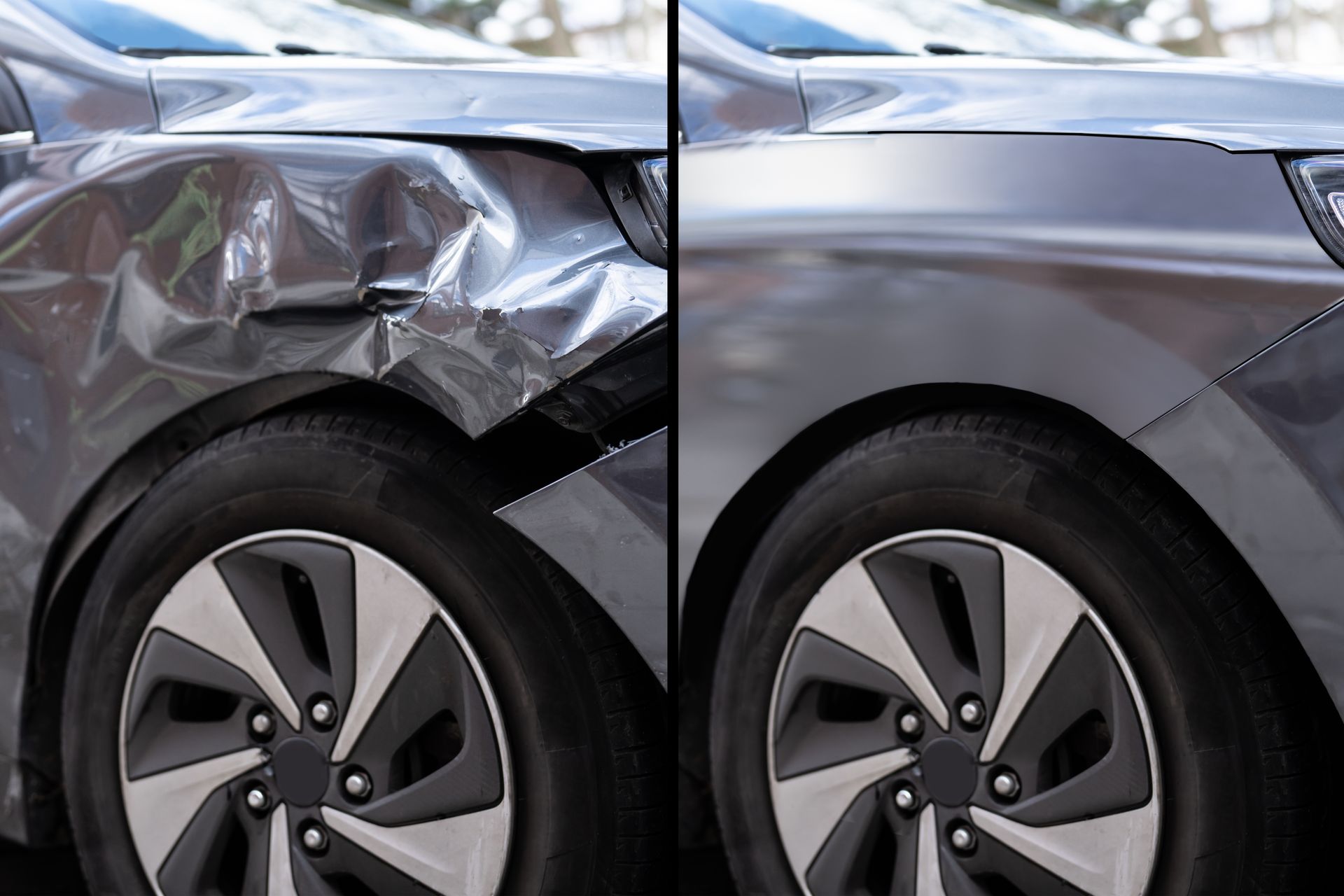
If you have been in a bingle on the roads, you may be wondering exactly what happens when your car goes in for a smash repair for Parramatta, NSW, car owners. The process can feel confusing, especially if you have never needed collision or bodywork before. This guide breaks down each stage of a typical repair in plain language, so you know what to expect and what questions to ask.
What Is a Smash Repair?
A collision repair covers a broad range of services that address damage to your vehicle's body and structure after a collision or accident. It may involve panel beating, chassis work, spray painting, and the replacement of damaged parts. Unlike a standard mechanical service, this type of repair focuses on restoring both the appearance and the structural safety of your vehicle. Drivers across the Parramatta, NSW, region often find themselves needing these services after low-speed incidents in busy stop-start traffic or car parks.
Accident Repairs v. Panel Beating
These two terms are often used interchangeably, but they are not quite the same thing. Panel beating is a technique used within the broader accident repair process. It refers to the physical manipulation of damaged metal or plastic body panels to return them to their original shape. The overall repair, on the other hand, can encompass panel beating along with painting, structural realignment and parts replacement, depending on the extent of the damage.
Stage One: Initial Inspection and Quote
The smash repair process begins with a thorough inspection of the vehicle. A technician will assess both visible and hidden damage, because what you can see on the outside may not tell the full story. After the inspection, you should receive a written quote outlining the work required. This stage is important. A detailed quote helps you understand the scope of repairs before any work starts and gives you a chance to ask questions or flag concerns.
If your repair involves an insurance claim, the shop may liaise with your insurer to obtain approval before work can proceed. It is worth confirming this process upfront so there are no surprises with timing.
Stage Two: Disassembly
Once the quote is approved and work is authorised, the damaged sections of the vehicle are carefully disassembled. This allows technicians to get a clearer view of any underlying damage that was not visible during the initial inspection. Clips, panels, trim pieces and sometimes mechanical components may need to be removed to access the repair area properly.
This stage can sometimes reveal additional damage, which is why reputable workshops will contact you before proceeding with any work beyond the original scope.
Stage Three: Panel Beating and Structural Repairs
This is where the transformation begins. Stage Three tackles the panel damage and any structural repairs needed to bring your vehicle back to its correct form.
How Panel Beating Works
Panel beating is the hands-on part of the smash repair process. Technicians use a range of specialised tools, including hammers, dent pullers and body alignment jigs, to reshape damaged panels back to their original contours. The approach varies depending on whether the damaged panel is metal or plastic, as each material behaves differently under repair conditions.
For metal panels, the technician may use welding, filling and sanding to address dents, creases and warped sections. For plastic components, heat and specialist adhesives may be used to reshape the material. The goal is to return each panel to its pre-accident form as closely as possible.
Chassis and Frame Straightening
If the collision was significant enough to affect the vehicle's structure, chassis straightening may also be required. This process uses specialised equipment to measure the alignment of the frame and correct any distortions caused by the impact. A properly aligned chassis is critical for safe handling, even tyre wear and the correct function of safety systems. Leaving structural misalignment unaddressed can affect how the car drives and may compromise its ability to protect occupants in a future incident.
Paintless Dent Repair
For minor dents where the paint surface is still intact, paintless dent repair (PDR) may be an option. This technique uses specialised tools to massage the metal back into shape from behind the panel, without the need for painting or filling. PDR tends to be a quicker and more cost-effective approach for eligible damage. However, not all dents qualify. The extent and location of the damage will determine whether this smash repair method is appropriate for your vehicle.
Stage Four: Surface Preparation
Before any paint is applied, the repaired areas must be carefully prepared. This typically involves sanding to smooth the surface, applying body filler to any remaining imperfections, and then priming the area to ensure the new paint will adhere correctly. Thorough surface preparation is what separates a long-lasting, professional finish from one that may show signs of wear sooner than expected.
Sanding can be carried out as either a wet or dry procedure depending on the stage of preparation, and multiple rounds of sanding may be needed before the panel is considered ready for painting.
Stage Five: Colour Matching and Spray Painting
Stage Five covers the critical process of colour matching and spray painting, where technicians achieve a seamless, factory-quality finish across all repaired panels.
Why Colour Matching Matters
Getting the colour right is one of the most technical parts of the smash repair process, particularly for vehicles with metallic, pearl or aged paint. Paint changes slightly over time due to sun exposure and general wear, meaning a fresh coat applied straight from the tin may not match the surrounding panels perfectly. Professional workshops use colour matching technology and visual assessment together to find the right tone, depth and sheen to complement the existing paintwork.
In many cases, technicians also blend the new paint into adjacent panels. This blending technique creates a smooth, seamless transition that prevents repaired sections from standing out against the rest of the vehicle.
The Spray Painting Process
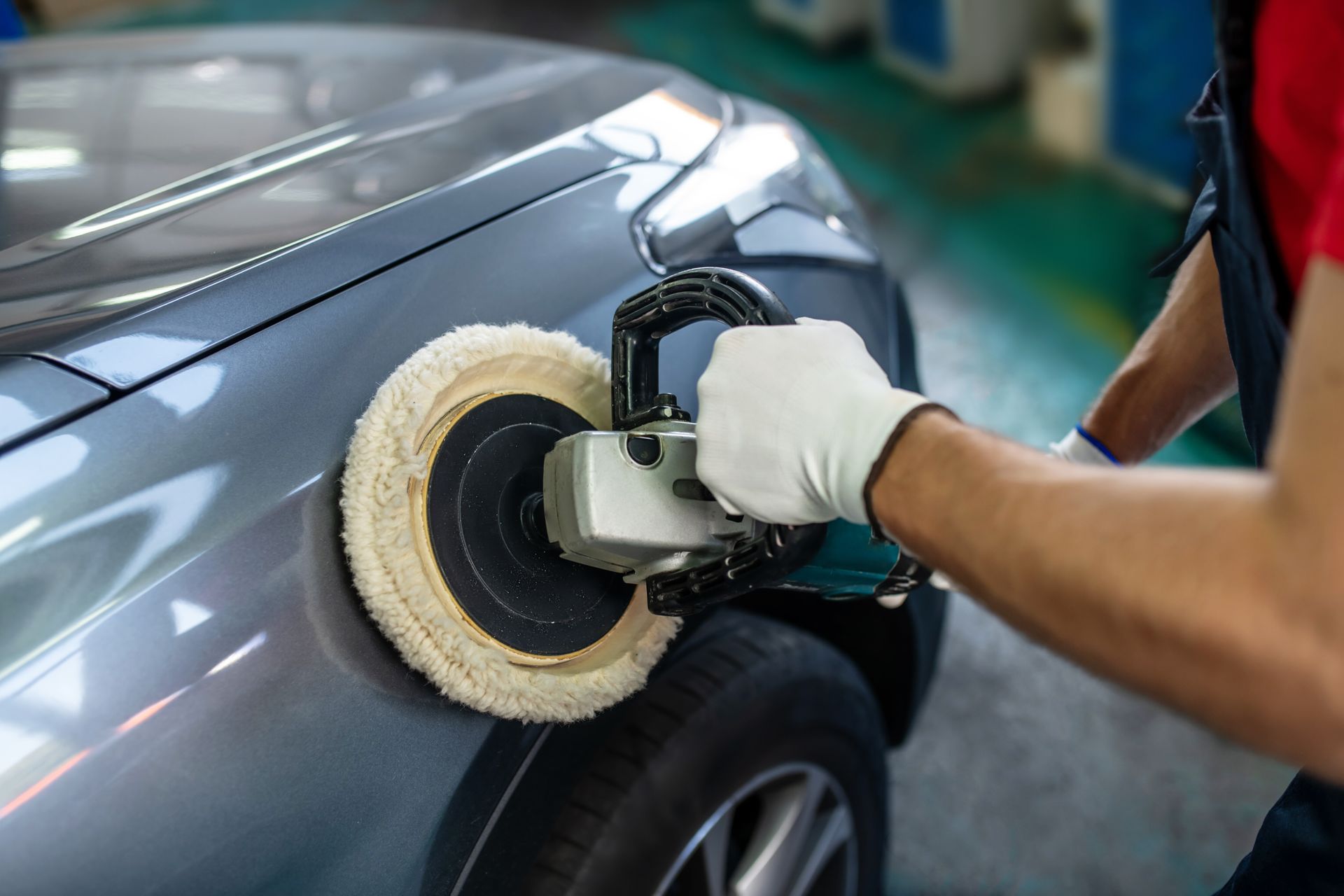
Once the colour is matched, the repaired panels are sprayed in a controlled, dust-free environment using even passes of the spray gun. This method helps avoid drips, runs or uneven coverage. After the colour coat is applied, a clear coat is added to protect the paint surface and provide a glossy finish. Once the clear coat cures, the surface may be polished and refined to achieve a consistent sheen across the vehicle.
Stage Six: Reassembly and Final Quality Check
After painting is complete, all disassembled components are reinstalled. This includes trim pieces, clips, mouldings and any mechanical parts that were removed during the repair process. The vehicle is then put through a final inspection to confirm that all repairs meet quality and safety standards, that the paintwork is consistent and that all safety-related features are functioning as they should.
This final smash repair quality check is not just about appearance. It also ensures that the vehicle is roadworthy and performs correctly before being returned to the owner.
H2: Working With Your Insurer
If your repair involves an insurance claim, it helps to understand your role in the process. You will typically need to lodge the claim with your insurer, who may then send an assessor to inspect the damage before approving repairs. In many cases, a collision automotive repair shop will handle direct communication with the insurer on your behalf, which can simplify things considerably.
It is also worth confirming whether you have the right to choose your own repairer under your policy, as this may affect which workshop you use.
Questions to Ask Before You Book
Drivers in the Parramatta, NSW, area who are researching their options can benefit from asking a few key questions when contacting a smash repair shop:
- What does the inspection and quote process involve, and is it provided in writing?
- Will the smash repair workshop communicate with my insurer directly?
- What happens if additional damage is found once disassembly begins?
- What kind of guarantee is offered on the repairs?
- How will I be kept informed of progress during the repair?
Clear answers to these questions can help you feel more confident in your choice and avoid misunderstandings along the way.
Why Understanding the Process Helps You
Knowing how collision repairs work means you can follow along when a technician explains what your vehicle needs, ask more informed questions and make confident decisions at each stage. It also makes it easier to spot whether a workshop is being transparent with you. A professional collision repair shop will walk you through the process clearly, let you know if the scope of work changes and never proceed with additional repairs without checking with you first.
Book Your Smash Repair or Learn More Today!
If your vehicle has been in a collision and you are looking for expert assistance, Pendle Hill Automotive is here to help. The smash repair team brings over 20 years of experience to every job and is committed to transparent, honest service from start to finish. Call us on (02) 9631 4550 to book an inspection or request a quote.